
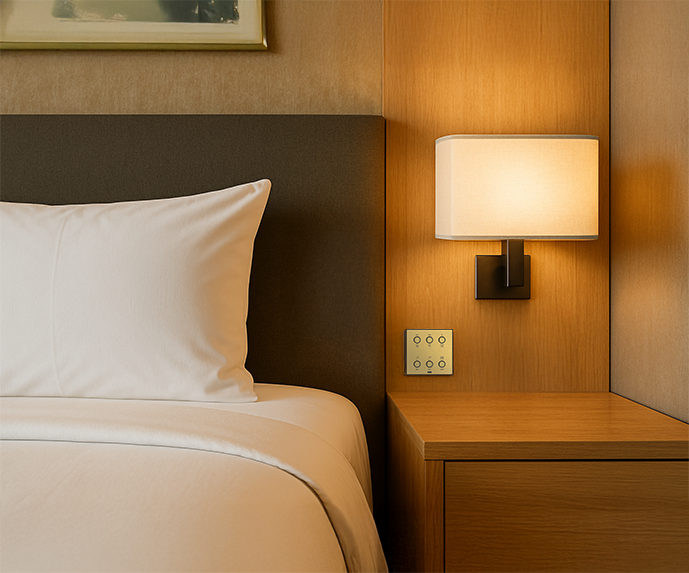
BUS Solution
Smart, scalable, connected.
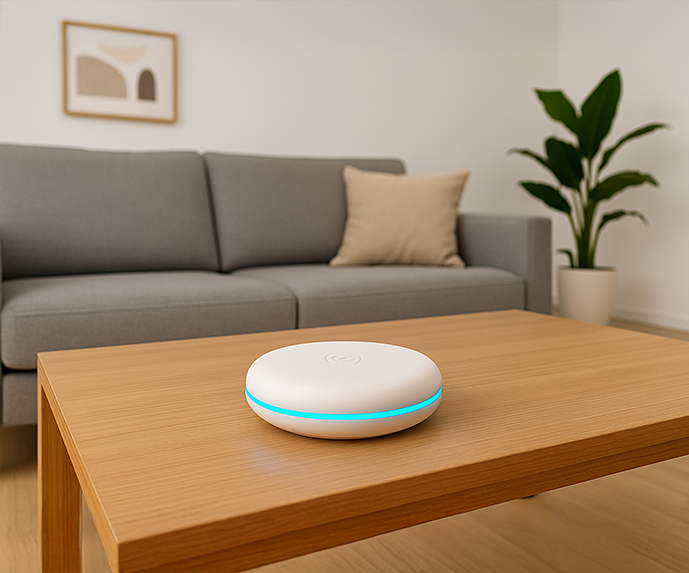
Wireless Tech
Seamless control, endless possibilities

Energy Management
Smart Optimization, sustainable savings.
We Fit Into Your World.
For every space where you…

Love
Your home, just the way you love it – cozy, smart, welcoming, and full of life.
Smart Home
Relax
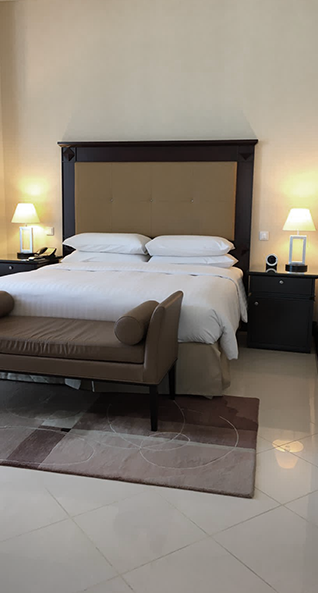
A room where you can unwind, forget your worries, and simply relax.
Hotel
Grow
A space that supports your work, ideas, and helps your business grow.
Commercial
Lift
Turning old into new – refreshing, upgrading, and giving spaces a fresh glow.
Retrofit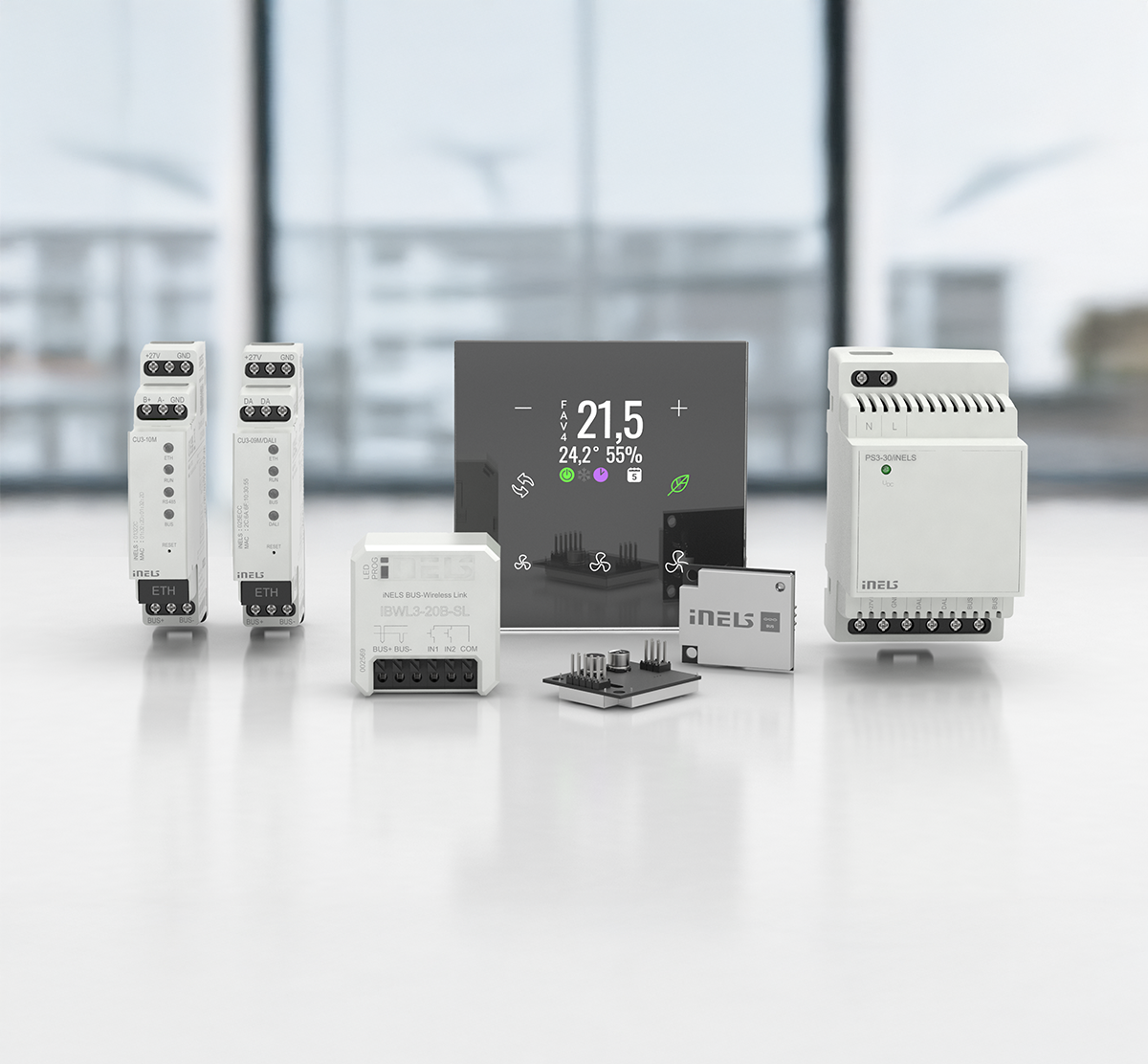
Solution
Bus system
A wired automation solution designed for complex projects, offering stability and advanced control for large buildings.
Products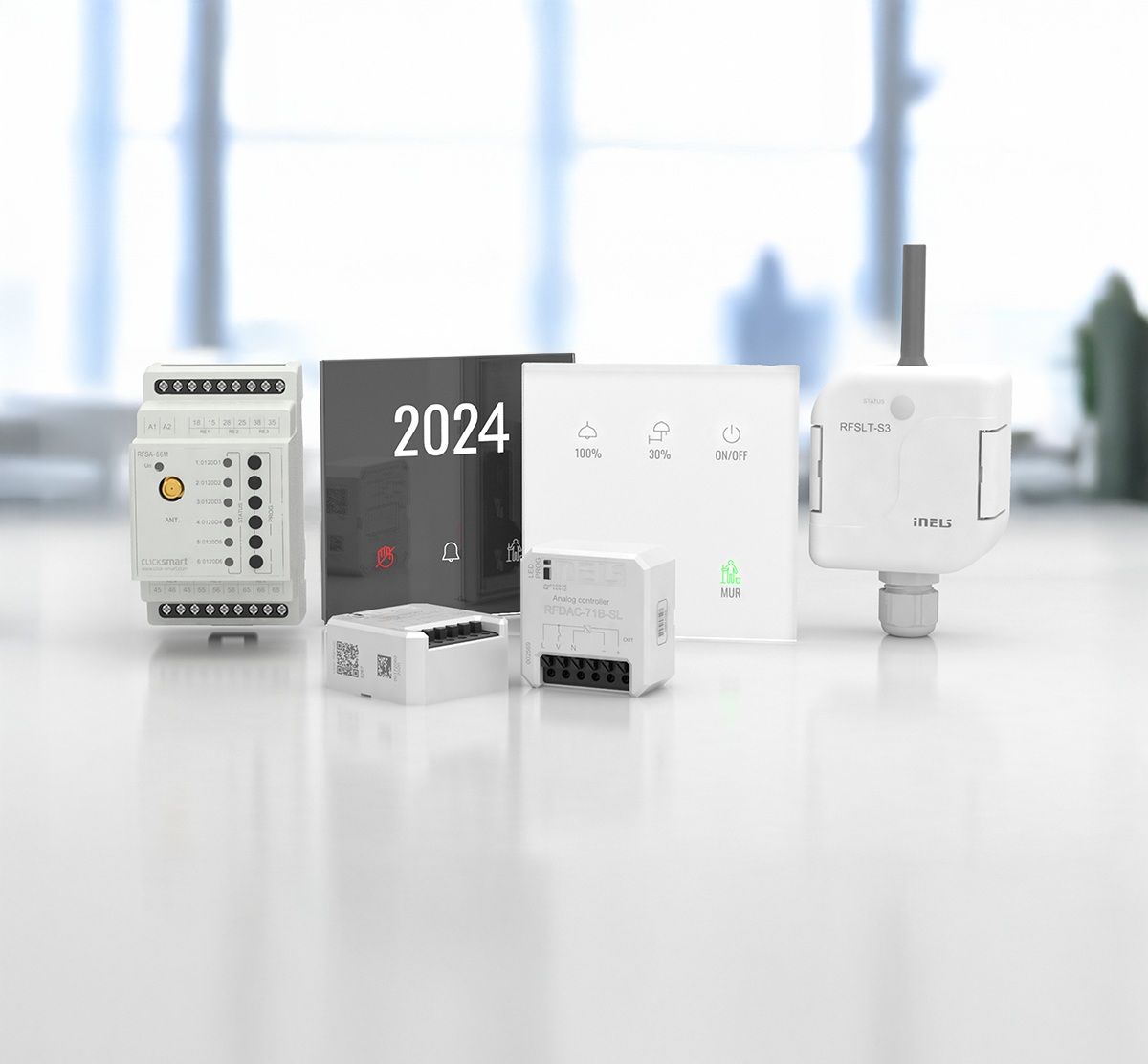
Solution
Wireless
A flexible, easy-to-install system perfect for retrofitting homes and offices without rewiring.
Products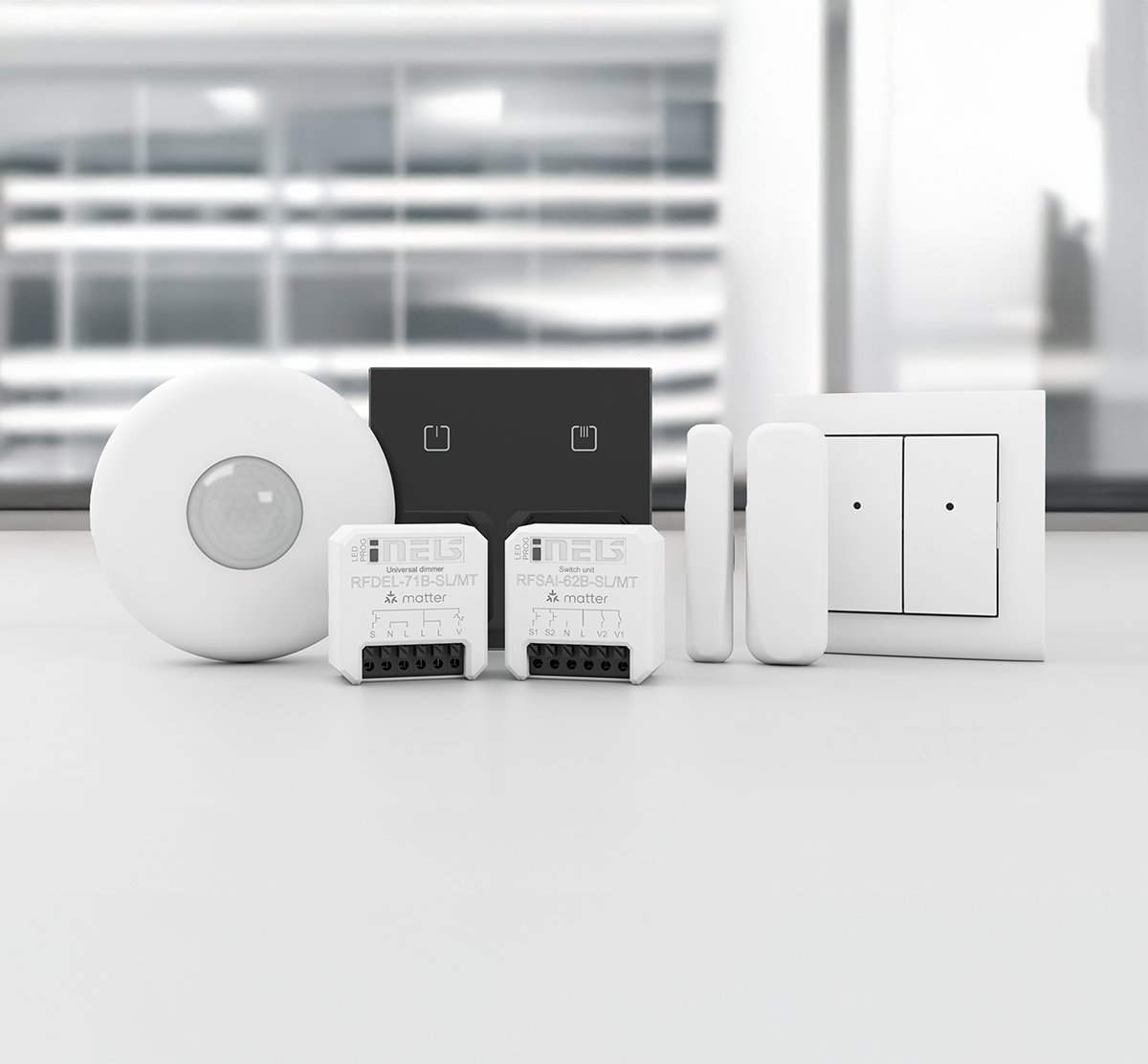
Solution
Matter
A universal smart home standard that ensures seamless integration with Apple Home, Google Home, and other platforms.
ProductsSee How it Works

“Choosing to implement iNELS systems in our hotel was truly a great decision. The control of temperature and lighting is so simple and convenient, ensuring our guests always have perfect comfort. Plus, iNELS helps us save energy and simplifies our daily management. We are extremely satisfied, and our guests appreciate it too!”
Marie Dupont,
Owner, France







News
Stay informed with iNELS.

A bus system uses physical cables to connect devices along a shared communication line, offering reliable but less flexible connectivity. In contrast, a wireless system transmits data through radio waves, allowing greater mobility and easier installation but is more prone to interference. While bus systems are preferred for stability, wireless systems are ideal for flexible or mobile setups
A bus system uses physical cables to connect devices along a shared communication line, offering reliable but less flexible connectivity. In contrast, a wireless system transmits data through radio waves, allowing greater mobility and easier installation but is more prone to interference. While bus systems are preferred for stability, wireless systems are ideal for flexible or mobile setups
A bus system uses physical cables to connect devices along a shared communication line, offering reliable but less flexible connectivity. In contrast, a wireless system transmits data through radio waves, allowing greater mobility and easier installation but is more prone to interference. While bus systems are preferred for stability, wireless systems are ideal for flexible or mobile setups
A bus system uses physical cables to connect devices along a shared communication line, offering reliable but less flexible connectivity. In contrast, a wireless system transmits data through radio waves, allowing greater mobility and easier installation but is more prone to interference. While bus systems are preferred for stability, wireless systems are ideal for flexible or mobile setups